Gutter Cleaning Hackettstown: Prevent Pest Problems Around Your Roof


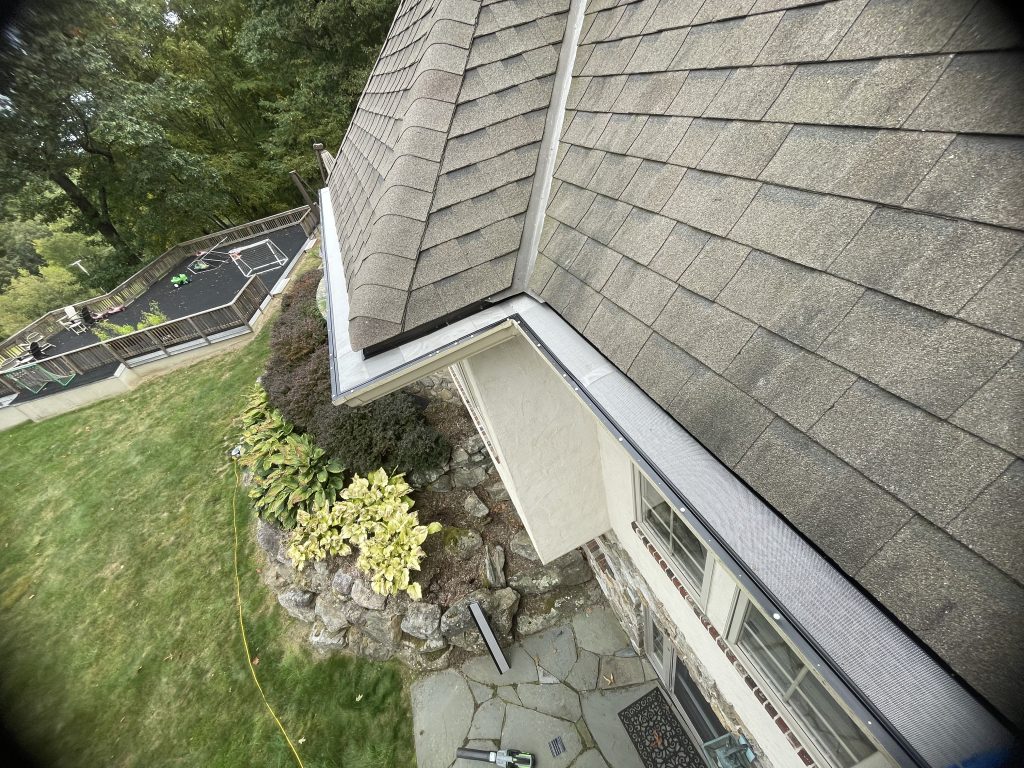
A clogged gutter rarely looks urgent from the ground. It is easy to see a little leaf buildup and think the system can wait another season. In practice, gutters that hold wet debris become one of the most overlooked pest magnets on a house. Around Hackettstown, where mature trees, humid summers, and freezing winters all play a part, roofline moisture can turn into a steady invitation for insects, rodents, and birds.
Homeowners usually call about gutters because of water overflow, staining, or ice issues. What often gets missed is the pest side of the problem. Standing water in a gutter can support mosquitoes. Damp leaf sludge can draw carpenter ants and other insects that thrive in decaying organic matter. Overflow near the fascia can soften wood and make it easier for pests to exploit weak points. Once activity begins at the roof edge, it does not always stay there. The jump from gutter to soffit, attic, or wall cavity is shorter than many people realize.
That is why Gutter Cleaning Hackettstown is not just a maintenance task. It is preventive work that protects the roofline, reduces moisture, and removes the shelter many pests need to get established.
Why pests are drawn to clogged gutters
From a pest’s perspective, a dirty gutter offers three things that are hard to resist: water, cover, and access. Those three conditions can support very different kinds of activity, which is why gutter neglect creates so many downstream problems.
Wet leaves and shingle grit form a dense mat that holds moisture long after a rainstorm. In shaded sections of a house, especially beneath overhanging branches, that material can stay damp for days. Mosquitoes do not need a large pond to breed. Small pockets of trapped water are enough. Even when water is not standing in a full channel, low spots and compacted debris can collect just enough for eggs to be laid.
Then there is the cover. Debris in a gutter mimics the kind of protected, hidden environment many insects prefer. Ants, earwigs, spiders, and some stinging insects find those spaces attractive because they are undisturbed and close to food or nesting materials. If a section of fascia has started to soften from constant wetting, the gutter becomes more than a resting place. It becomes a staging area.
Access is the final piece. Rooflines are natural highways for pests. Squirrels run them. Mice can follow utility lines or branches to them. Birds investigate them for nesting. Once debris dams water and plants begin to sprout in the gutter, the system stops functioning like a drainage channel and starts behaving more like a long planter box attached to your house. That change creates concealment and stability, both of which encourage nesting behavior.
I have seen homeowners focus on one obvious pest, usually wasps or mosquitoes, when the real issue was the condition that supported multiple pests at once. Clean the gutter, restore drainage, trim the access points, and the roofline becomes much less hospitable.
The Hackettstown conditions that make the problem worse
Hackettstown homes deal with a useful but challenging mix of local conditions. Older neighborhoods often have established trees, which means a reliable supply of leaves, seed pods, twigs, and pollen. Newer developments may have fewer large trees, but even there, pine needles and windblown debris can choke narrow outlets and downspouts.
Seasonality matters. Spring loads gutters with blossoms, helicopter seeds, and fine debris that homeowners do not always notice because it does not look dramatic. Summer brings heat, humidity, and insect pressure. Fall is the obvious leaf season, the time most people think about gutter cleaning. Winter then punishes any system that went into the cold months already blocked. When trapped water freezes, it expands. That can stress seams, pull brackets, and create areas where melting and refreezing leave more moisture against wood trim.
The result is cumulative. A gutter that is only partly clogged in June might be fully clogged by November. A soffit that is only slightly damp in one season may soften enough over a year or two to invite carpenter bees, ants, or exploratory chewing from rodents.
That is one reason routine Gutter Cleaning Hackettstown services often save homeowners from bigger repairs. The cleaning itself is straightforward. The value is in interrupting the progression before the roofline starts offering pests exactly what they need.
What kinds of pests start at the roof edge
Not every pest around the roof is caused by dirty gutters, but clogged gutters increase the odds by changing the environment. The common patterns are familiar.
Mosquitoes are one of the easiest to understand. If water sits, they have a breeding site. It does not take much depth. Even a small amount of water trapped in debris can be enough during warm weather.
Carpenter ants are another concern, not because they eat wood like termites, but because they are strongly attracted to damp, decaying wood. Overflowing gutters that repeatedly wet fascia boards or soffits can create exactly the soft conditions they exploit. If you see ant trails near the roofline or around exterior trim, moisture should be part of the investigation.
Wasps often use eaves and roof edges for nest building. A clogged gutter does not cause wasps by itself, but it creates a less disturbed, more sheltered edge condition. When overhanging branches also shade the area, nests are more likely to go unnoticed until traffic increases.
Birds and squirrels take advantage of buildup in a different way. Nesting material accumulates naturally in dirty gutters, and once a few twigs catch, more follow. Birds may begin using those areas for temporary nesting attempts, especially in corners where downspouts connect. Squirrels are opportunists. If nearby limbs give them access, they will inspect any protected roofline feature for entry points.
Mice are less commonly associated with gutters in the homeowner’s mind, but they are excellent climbers. If they can reach the roof, they can investigate gaps in soffits, vents, https://blogfreely.net/rhyannlmoy/simple-ways-gutter-cleaning-in-hackettstown-extends-gutter-life or flashing. A wet, cluttered gutter line supports insects, decays trim, and makes those vulnerabilities easier to exploit.
The damage usually starts with moisture, not pests
Pests get the attention because they are visible and unpleasant. Moisture is still the first domino. That matters because the best preventive approach is not simply spraying for insects. It is removing the habitat that keeps recurring.
When gutters overflow, water often runs behind the gutter instead of through it. Homeowners may assume all overflow spills over the front lip, but backflow against fascia is common when debris is packed into the channel. That repeated wetting can peel paint, stain trim, and loosen boards. Once wood stays wet often enough, fungi and rot organisms do the slow work of making it less dense and more fragile.
A healthy, sealed roof edge resists pest pressure better than a damp, aging one. Carpenter ants are less interested in sound, dry wood. Birds have a harder time exploiting tightly fitted soffits. Even wasps tend to gain less of a foothold where inspection and maintenance keep roof edges neat and visible.
One of the clearest signs of this progression is when a homeowner notices two issues at once, such as peeling trim paint and increased insect activity around a gutter corner. Those problems are often connected. The pest issue is not random. It is a symptom of prolonged moisture at the roofline.
Signs your gutters may already be attracting pests
Some warning signs are obvious, and some are easy to miss from the ground. Overflow during rain is the big one, especially if one section spills while others drain normally. That usually means a blockage or poor pitch. But even without rain, there are clues.
Watch for small plants or weeds growing from the gutter. If seeds have rooted, there is enough accumulated organic matter to support them. That gutter is no longer self-cleaning in any meaningful sense.
Pay attention to concentrated insect activity near one section of the roofline, particularly in warm months. A few mosquitoes in a yard are normal. A cloud near one downspout area is a clue. Ant trails on siding, repeated wasp presence under an eave, or birds constantly visiting one corner of the gutter all suggest a localized attractant.
Staining on siding beneath the gutter is another sign. So is paint blistering on fascia or soffit material that looks swollen or irregular. If you hear scratching in an overhang or attic area, do not assume it began inside. Exterior access and moisture damage often came first.
Homeowners sometimes also notice that one downspout discharges weakly even in a heavy rain. That points to a blockage, and blockages are where wet debris tends to collect longest.
Why timing matters more than people think
A lot of people approach gutter cleaning as a once-a-year job, usually after leaves fall. That is better than ignoring the system, but it is not always enough in tree-heavy areas. The right schedule depends on roof design, tree cover, and what the gutter collects.
Homes under maples or oaks may need attention more than once a year. Pine needles are especially deceptive because they can build up at outlets and in downspouts while the rest of the gutter looks only lightly covered. Fine spring debris can create a sticky base layer that traps heavier fall debris later. By winter, that mix can hold water and worsen freeze-thaw stress.
The practical sweet spot for many Hackettstown homes is seasonal inspection, with cleaning adjusted to conditions rather than the calendar alone. A home with little tree cover may do well with less frequent service. A house shaded by mature trees and bordered by branches over the roofline may need a more active schedule.
The pest angle is one reason to avoid waiting until a problem is obvious. By the time mosquitoes are breeding or ants are trailing, the gutter has already been offering favorable conditions for a while.
The role of downspouts, splash zones, and foundation edges
Roof pests get attention, but the whole drainage path matters. A clean gutter that feeds a blocked downspout is still a problem. Water has to move from roof edge to discharge point without backing up.
Blocked downspouts create hidden standing water and pressure in the system. That can keep upper gutter sections wet even when they appear cleaner than expected. At ground level, poor discharge near the foundation can create damp soil, attract insects, and increase the moisture profile around the home’s perimeter. In some cases, that supports ant colonies and other pests that later move upward.
This is where experienced cleaning work differs from a quick scoop-out. The job is not done when the visible debris is removed. Downspouts need to flow freely. Elbows and bottom exits need checking. Extension placement matters if water is being dumped too close to the home. Pest prevention improves when the full route of water is managed properly.
Gutter guards help, but they are not a free pass
Many homeowners ask whether guards solve the pest problem. They help in some situations, but they are not magic. The right guard can reduce large debris buildup and lower cleaning frequency. It can also make it harder for birds to pull nesting material from inside the gutter channel.
The trade-off is that guards still require inspection. Fine debris can accumulate on top of some systems. Pine needles can bridge across openings. Seed pods can collect at roof edges and wash into vulnerable points. In lower-quality installations, gaps may allow debris to enter while making it harder to remove later.
There is also the issue of pest behavior. A guard may reduce standing debris in the gutter itself, but if water overshoots because the top surface is caked with grime, you are back to wet fascia and soffit conditions. Some homeowners are surprised to learn that a protected gutter can still overflow if neglected.
So yes, guards can be part of a solid maintenance plan, but they work best when paired with inspection and occasional service. They reduce labor. They do not eliminate responsibility.
What proper cleaning should include
Not every gutter cleaning is equal. If the goal is pest prevention, the service should focus on more than appearance. The most useful visits include these basic checks:
- Remove debris from gutters and roof drainage valleys where it can wash back in.
- Flush gutters and downspouts to confirm flow and expose hidden blockages.
- Look for signs of overflow, loose sections, sagging pitch, and water running behind the gutter.
- Inspect fascia, soffits, and nearby trim for moisture damage or pest entry points.
- Note nearby branches or roof conditions that are likely to recreate the problem quickly.
That combination matters because a clean-looking gutter that still holds water is not really fixed. Neither is a gutter that drains well but empties beside the foundation. The roof edge and the water path have to be considered together.
Simple steps that reduce pest pressure between cleanings
Homeowners do not need to turn into roof technicians to help the situation. A few practical habits make a real difference, especially when combined with regular professional service.
Keep branches trimmed back from the roofline where possible. Direct access from trees makes it easier for squirrels, ants, and even some birds to investigate the eaves. It also drops more debris into the system. You do not always need aggressive pruning, but reducing contact and overhang is smart preventive work.
Watch how your gutters behave during a real rainstorm. That is one of the best diagnostic opportunities you will get. If water pours over one section, drips behind the gutter, or shoots out weakly from a downspout, the system is telling you where the problem is. Photos or short videos taken from a safe position on the ground can be very useful when discussing service needs.
Take small stains seriously. A fresh streak on siding, a dark patch under a gutter joint, or bubbling paint at the soffit edge often appears before structural damage becomes obvious. Catching that early can prevent both repairs and pest escalation.
If you already know your home has high debris volume, schedule maintenance before peak trouble periods rather than after them. That often means addressing spring buildup and not relying only on a late-fall cleanup.
When a gutter issue is really a roofline repair issue
Sometimes cleaning alone is not enough. If the gutter has pulled away from the fascia, the pitch is wrong, the drip edge is poorly aligned, or the wood behind the system is already compromised, debris removal will only provide temporary relief.
A section that holds water after cleaning usually indicates a pitch problem or physical deformation. Repeated backflow behind the gutter may point to installation defects or flashing issues. Rotten fascia should not be treated as cosmetic if pests are already showing up. Soft wood at the roof edge is an open invitation.
This is where homeowner judgment matters. It is tempting to think of gutters as isolated accessories, but they are part of the roof drainage system. If one component fails, nearby materials pay the price. Pest activity often exposes those failures faster than a visual inspection from the lawn ever could.
Why local routine care pays off
The strongest argument for regular Gutter Cleaning Hackettstown service is not dramatic. It is cumulative. Clean gutters dry faster, drain better, and put less moisture against the parts of your home that pests target first. They reduce the chance of standing water, rotting trim, hidden nesting material, and unnoticed entry points.
That payoff becomes especially clear over time. Homes that stay ahead of gutter debris tend to have fewer roof-edge surprises. Their fascia boards last longer. Their soffits stay tighter. They experience fewer nuisance insect bursts tied to stagnant water. Even when pests do appear, the house gives them less help.
Roofline problems rarely begin with a single major event. More often, they start with small neglect repeated across seasons. A little leaf matter holds moisture. Moisture weakens trim. Weakened trim attracts insects. Insects and shelter draw more activity. Then one day the homeowner notices ants at the kitchen window, birds tearing at an eave corner, or mosquitoes hovering by the front entry and wonders how it got that far.
Usually, it got there one clogged gutter at a time.
Keeping gutters clear may not be the most glamorous part of home maintenance, but it is one of the most practical ways to protect the upper edge of the house. In a place like Hackettstown, where weather and tree cover work together year after year, that routine care does more than move rainwater. It removes one of the most convenient pest habitats your home can accidentally provide.
Just Gutters LLC
Address: 262 Main St, Hackettstown, NJ 07840
Phone number: +12013319454
FAQ About Gutter Cleaning Hackettstown
How much should a gutter clean cost?
Professional gutter cleaning typically costs between $163 and $333, with a national average of around $210 to $250 for a standard-sized home.
What months should you clean gutters?
You should clean your gutters twice a year—once in late autumn (November to December) and once in late spring (April to May).
Is it worth paying for gutter cleaning?
Yes, paying for gutter cleaning is worth it because it prevents thousands of dollars in water damage, roof leaks, and structural repairs.