Gutter Cleaning Hackettstown: Keep Your Home Ready for Heavy Rain
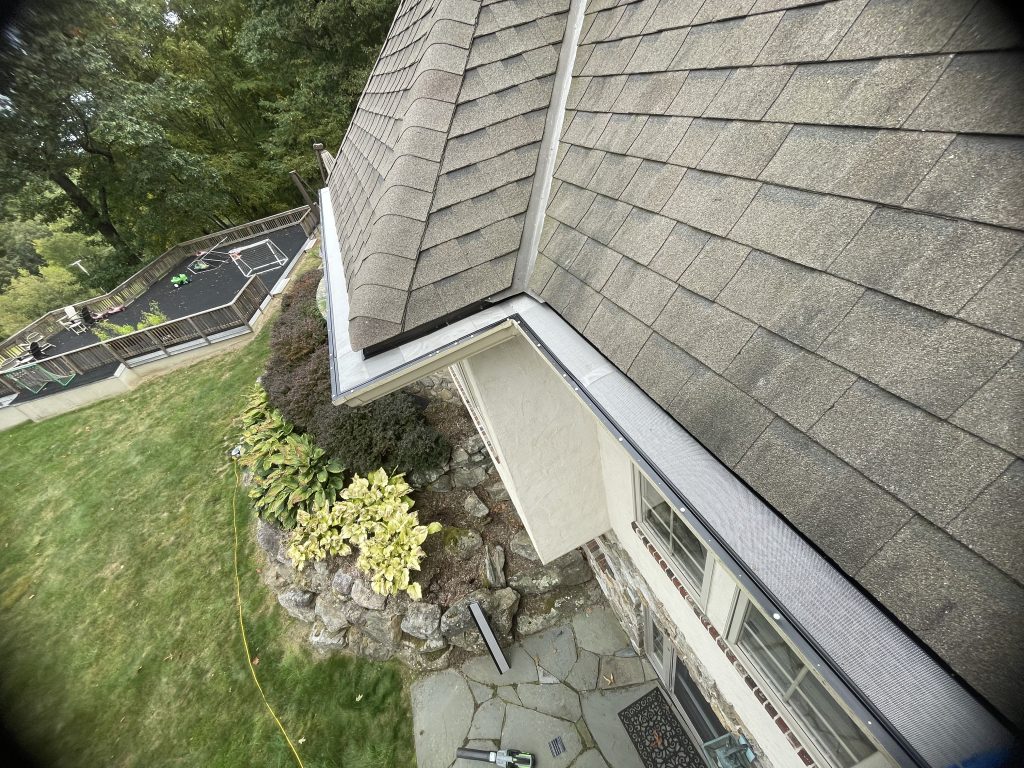
Heavy rain exposes every weak spot around a house, and gutters are usually the first place problems show up. A system that looked fine during a dry stretch can suddenly overflow, dump water against the foundation, soak fascia boards, and turn a manageable maintenance issue into a repair bill that nobody wanted. In Hackettstown, where mature trees, seasonal leaf drop, snowmelt, and spring downpours all play a part, gutter care is not cosmetic upkeep. It is basic protection for the structure.
Homeowners often think about the roof when storms are coming. That makes sense, but the roof is only part of the drainage path. If the gutters and downspouts cannot move water away quickly enough, the rest of the house pays the price. I have seen homes with perfectly sound shingles still suffer interior leaks because clogged gutters backed water up under the roof edge. I have also seen basement moisture traced back to downspouts that discharged too close to the foundation. The pattern is common, and it is preventable.
When people search for Gutter Cleaning Hackettstown services, they are usually reacting to something visible. Water spilling over the sides. Plants growing in the trough. Dark streaks on siding. A wet corner in the basement after heavy rain. The better approach is to catch trouble before the next storm does it for you.
Why Hackettstown homes face special gutter stress
Hackettstown homes deal with a little of everything. Large deciduous trees drop leaves in fall, but that is only half the story. Spring brings seed pods, blossoms, and small twigs. Summer storms can knock down debris in a single afternoon. Winter adds its own challenge, especially when freeze and thaw cycles create packed material inside gutters that should be open and flowing.
Neighborhoods with older trees tend to see heavier buildup, but even homes without overhanging branches are not exempt. Wind carries debris farther than most people expect. A roof valley can wash grit and granules into the gutter system over time, and once a downspout begins to narrow, small material starts catching larger material. What begins as a thin mat of residue turns into a dam.
Pitch matters too. Many gutter systems are installed with only a slight slope, which is correct when they are clean. Once debris settles, that shallow grade works against drainage. Water slows, sediment hardens, and the gutter becomes heavier with every storm. On older houses, even minor sagging can make the problem worse because water sits in low spots and encourages more accumulation.
This is why regular Gutter Cleaning Hackettstown maintenance is so important. The local weather does not wait for a convenient time, and gutters rarely fail on a dry, mild day.
What clogged gutters actually do to a house
The most obvious symptom is overflow, but overflow is only the beginning. Water follows gravity, and it is remarkably persistent. If it cannot go through the downspout, it finds another route.
Around the roofline, backed-up water can wick under shingles near the eaves. It can rot roof decking, stain soffits, and soften fascia boards where the gutter is mounted. Once wood begins to deteriorate, fasteners loosen. Then the gutter itself starts pulling away from the house, which adds weight and stress in the next storm.
At ground level, repeated overflow can erode mulch beds, splash mud onto siding, and carve channels next to the foundation. If enough water collects near the base of the house, it can seep into basements or crawl spaces. Even when it does not cause standing water, it raises moisture levels in ways that encourage mold, musty odors, and insect activity.
I have seen one small clog at an upper elbow create a chain reaction. The homeowner assumed the gutter was “mostly working” because some water came out of the bottom of the downspout. What they did not realize was that the restriction higher up was causing water to spill over at one corner every time rain intensity increased. Over a season, that concentrated runoff stained the brick, settled the soil by the stoop, and damaged a flower bed border. None of it looked dramatic in one storm. Across ten storms, it added up.
The signs that tell you the system is overdue
Some warning signs are subtle. Others are impossible to miss. The problem is that many homeowners only notice them after damage has started. A quick visual check from the ground, especially before and after major rain, can reveal a lot.
- Water pouring over the front edge during rain
- Gutters that sag, bow, or pull away from the fascia
- Downspouts that drip at joints or stay silent during a storm
- Dark streaks, mildew, or soil erosion below roof edges
- Small plants or visible debris sitting in the gutter trough
If you spot one of these, there is a good chance the issue has been building for a while. Overflow during a storm is rarely caused by a single leaf. It usually means there is compacted material somewhere in the run or a downspout blockage that has been narrowing over time.
Timing matters more than most people think
A common question is how often gutters should be cleaned. There is no honest one-size-fits-all answer. A heavily shaded home with several mature maples may need attention two or even three times a year. A more open property might be fine with annual service, though I rarely recommend relying on a single cleaning if the home sits near any significant tree cover.
For many Hackettstown homes, late spring and late fall are the two key windows. Spring clears out winter residue, seed debris, and anything left from snowmelt. Fall tackles the obvious leaf buildup before winter freezes it in place. If pine trees are nearby, the schedule may need to be tighter because needles accumulate steadily and create dense mats that are harder to flush.
Storm timing also matters. A house can go from manageable to blocked after one windy day. That is why people looking for Gutter Cleaning Hackettstown help often call right after a major weather event. They are not imagining things. The system may have been borderline before the storm and pushed past its limit in a few hours.
What a proper cleaning should include
A real gutter cleaning is more than scooping out leaves from the easy-to-see sections. The troughs need to be fully cleared, and the downspouts need to be checked for flow from top to bottom. That includes elbows, underground tie-ins if present, and discharge points away from the home.
Any service worth paying for should also notice mechanical issues while the system is being cleaned. Loose hangers, bad pitch, separated joints, rust spots, and leaks at seams often become obvious during the work. Cleaning alone does not fix those problems, but identifying them early gives the homeowner a chance to handle a small repair before it turns into a replacement.
There is also a difference between wet debris and dry debris. Dry leaf litter can often be removed relatively quickly. Wet, compacted material is heavier, dirtier, and harder on the system. If gutters have not been cleaned in a while, the debris can resemble soil more than leaves. That extra weight strains the fasteners and makes careful handling more important.
A good technician usually tests water flow at the end rather than assuming the path is clear. That simple step catches blockages hidden inside downspouts, which are easy to miss if someone only cleans the visible run along the roof edge.
The risks of putting it off through one more season
Homeowners often know the gutters need work but hope to get through one more storm cycle. Sometimes they do. Sometimes they do not. The trouble is that damage from gutter neglect tends to arrive in clusters.
A clog traps water. Trapped water adds weight. Extra weight loosens the gutter from the fascia. Once the pitch changes, more water sits in the trough even after the rain ends. Standing water attracts mosquitoes in warm months and expands in freezing conditions during winter. Ice puts pressure on seams, brackets, and corners. By the time spring arrives, what started as a cleaning issue may now include carpentry or gutter repair.
There is also the question of hidden damage. Overflow behind the gutter can stain or rot fascia boards long before the homeowner notices from below. Gutters are attached to the very material that water is damaging, which means the support system degrades at the same time the load increases. That combination is why neglected gutters sometimes detach in sections during storms.
From a cost standpoint, routine cleaning is usually one of the least expensive exterior maintenance tasks. Ignoring it risks roof edge repairs, siding cleanup, landscape correction, basement waterproofing work, and premature gutter replacement. The math favors prevention.
Why heavy rain exposes weak installation, not just debris
Not every gutter problem is caused by leaves. Heavy rain can reveal installation flaws that normal showers never stress enough to show. I have seen systems that were technically clean but still overflowed because the downspouts were undersized, the pitch was inconsistent, or one long run lacked adequate outlets.
This matters because some homeowners clean the gutters, see another overflow in the next storm, and assume the cleaning was ineffective. Sometimes the cleaning was fine. The design is what needs attention. A section over a roof valley may receive far more water than the rest of the run. In those cases, adding a larger downspout or adjusting the pitch may solve what looks like a recurring clog.
Corners are another trouble spot. Debris tends to collect there, but even clean corners can leak if seams are failing. During a heavy downpour, a small seam gap can release a surprising amount of water onto a concentrated area below. That is especially rough on walkways, porches, and planting beds.
When evaluating Gutter Cleaning Hackettstown needs, it helps to think of the system as part cleaning task and part drainage inspection. A house that repeatedly struggles in hard rain may need more than debris removal.
DIY gutter cleaning versus professional service
There is nothing wrong with a capable homeowner handling basic gutter maintenance, provided the work is done safely and thoroughly. The issue is that gutter cleaning is harder than it appears from the ground. Ladders on uneven soil, awkward rooflines, second-story sections, and hidden downspout clogs all add complexity fast.
The physical side is only part of it. Experience helps when distinguishing a routine cleaning issue from an early structural problem. A homeowner may clear leaves and miss the fact that water is ponding in the middle of a run because a hanger has pulled loose or the pitch was off to begin with. A professional who sees these patterns every week is more likely to catch them.
There is also the question of efficiency. On a simple one-story ranch with good access, a diligent homeowner may do a fine job. On a taller home with multiple rooflines, steep sections, or landscaping that limits ladder placement, the risk and time commitment increase quickly. The money saved by doing it yourself can disappear if the work is incomplete or unsafe.
Gutter guards help, but they are not a free pass
Gutter guards reduce maintenance in some situations, but they do not eliminate it. That is one of the biggest misconceptions in this area. Guards can keep out larger leaves while still allowing shingle grit, pollen, seed fragments, and fine organic matter to build up over time. They also need periodic inspection because certain designs can trap debris on top or clog at the edges.
In wooded areas around Hackettstown, guards often work best as part of a maintenance plan, not as a substitute for one. They may extend the interval between cleanings and reduce the volume of large debris entering the trough. That can be useful. But if a homeowner installs guards and stops checking the system entirely, problems can stay hidden longer.
I have seen guarded systems with blocked downspouts because the debris that did get through was small enough to pass the screen and then compact at the elbows. From the ground, the gutters looked protected. During the storm, they still overflowed.
A practical schedule for staying ahead of storms
The smartest approach is to build gutter maintenance around the local weather cycle rather than waiting for visible failure. For most homes, that means checking the system before peak spring rain, again after the fall leaf drop, and after any severe storm that brings branches or heavy wind.
- Inspect from the ground before spring storm season
- Clean after seed drop and winter residue accumulate
- Recheck in late fall after most leaves are down
- Inspect after major windstorms or unusually heavy rain
- Watch discharge areas to confirm water moves away from the foundation
That last point matters more than people realize. Even clean gutters can contribute to moisture problems if the discharge point is poor. A downspout that empties next to the house defeats much of the purpose. Water should be directed far enough away that it cannot easily return to the foundation area.
The small details that protect the house the most
Some of the most important gutter-related decisions are not dramatic. They are the small details homeowners overlook because they seem minor. Splash blocks that have shifted out of place. Extensions that disconnected after lawn work. A single hanger backing out near a corner. A seam that leaks only during intense rain.
These details matter because water is patient. It does not need a huge opening to start causing trouble. If one corner of the house gets hit with concentrated runoff every storm, the cumulative effect can be significant. Soil settles. Wood stays damp longer. Paint fails sooner. Freeze and thaw cycles open up little cracks. Over time, those scattered symptoms start looking unrelated when they are actually connected by the same drainage issue.
One thing I often recommend is paying attention during the next hard rain instead of only inspecting in dry weather. You do not need to climb anything. Just walk the perimeter when it is safe and observe. Are all downspouts flowing strongly? Is any section overshooting water? Are there drips at joints or corners? Does water pool where it should not? Five minutes of observation in real conditions tells you more than a long look at a dry gutter.
When cleaning is not enough anymore
There comes a point when repeated cleaning is no longer the full answer. If gutters are rusted through, badly pitched, separating at seams, or undersized for the roof area they serve, replacement or targeted modification may make more sense than continued patching.
That decision should be based on condition, not guesswork. A solid aluminum system with a few loose hangers may only need adjustment and sealing. An older system with chronic standing water and multiple weak joints may be near the end of its service life. The key is not to confuse recurring symptoms with recurring debris. If the gutters are being cleaned on schedule and https://shanereln604.quillnesty.com/posts/best-time-of-year-for-gutter-cleaning-in-hackettstown still fail under ordinary rain, the system deserves a closer look.
For homeowners in Hackettstown, the best time to address these issues is before the calendar turns toward the wettest part of the year. Repairs are easier when conditions are dry, and there is less pressure when you are not reacting to active overflow.
Keeping the home ready, not just the gutters
Gutter care works best when it is treated as part of broader exterior maintenance. Roof runoff affects siding, trim, landscaping, walkways, and the foundation. That means the benefits of proper cleaning extend beyond the gutter itself. A well-maintained system helps preserve paint, protect planting beds, reduce basement moisture risk, and limit avoidable wear around the property.
That is the practical reason Gutter Cleaning Hackettstown matters so much. It is not about making the roofline look neat for a week. It is about controlling where hundreds or even thousands of gallons of stormwater go when rain arrives hard and fast. Houses hold up better when water is directed with intention. They deteriorate faster when it is left to spill, pool, and search for its own path.
If your gutters have not been checked recently, the next heavy rain should not be the inspection. By then, the system has already been asked to do its job under pressure. A simple cleaning and a careful eye now can spare your home from the kind of water damage that starts quietly and gets expensive in a hurry.
Just Gutters LLC
Address: 262 Main St, Hackettstown, NJ 07840
Phone number: +12013319454
FAQ About Gutter Cleaning Hackettstown
How much should a gutter clean cost?
Professional gutter cleaning typically costs between $163 and $333, with a national average of around $210 to $250 for a standard-sized home.
What months should you clean gutters?
You should clean your gutters twice a year—once in late autumn (November to December) and once in late spring (April to May).
Is it worth paying for gutter cleaning?
Yes, paying for gutter cleaning is worth it because it prevents thousands of dollars in water damage, roof leaks, and structural repairs.